,
Wildlife Collisions in IA/MN: Deer & Nighttime Hazards
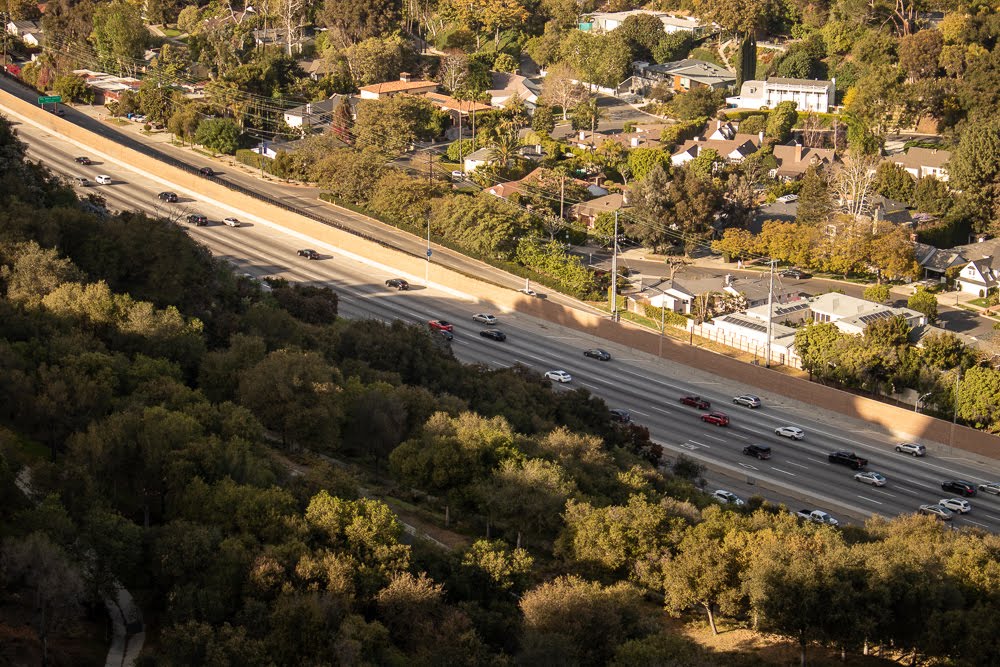

Interstate 35 (I-35) stretches from the southern tip of Iowa to the northern reaches of Minnesota, passing through farmland, forests, suburban communities, and river valleys. While this corridor is essential for commerce, commuting, and long-distance travel, it is also one of the region’s highest-risk routes for wildlife collisions, particularly those involving deer. These crashes often occur at high speeds, during low-light conditions, and in areas where animals frequently cross the highway.
Wildlife collisions can result in significant vehicle damage, serious injuries, and even fatalities. They can also complicate insurance claims and recovery efforts, especially when multiple vehicles are involved. Understanding the locations where wildlife strikes are most common, seasonal risk patterns, insurance coverage options, and the proper steps to take after a collision can help drivers stay safe and ensure that they are protected financially if an accident occurs.
High-Risk Areas for Wildlife Collisions on I-35
Certain stretches of I-35 are particularly prone to wildlife crashes due to natural geography, habitat, and animal behavior.
Rural and wooded areas in central Iowa and southern Minnesota often have dense forests or agricultural land bordering the highway, which serve as natural corridors for deer and other wildlife. In addition, regions near rivers, wetlands, and floodplains attract animals seeking water or forage, creating frequent crossing points. Even suburban fringes or open fields adjacent to the highway can be hazardous, as deer may wander onto roadways from nearby wooded patches or yards. Drivers should be especially vigilant in these areas, keeping their speed in check and scanning the roadside for movement, particularly at night.
Nighttime visibility is a critical factor in these collisions. Headlights may reflect off the eyes of animals, but drivers often cannot judge distance or speed accurately. Reduced visibility, combined with driver fatigue, distractions, or inclement weather, dramatically increases the risk of a collision. On I-35, many wildlife strikes happen during dawn, dusk, or nighttime hours when animals are most active and drivers are less alert.
Seasonal Patterns and Risk Factors
Wildlife collisions are not random events; they often follow clear seasonal patterns.
The fall mating season, which typically occurs between October and December, is a particularly dangerous period. During this time, deer are more active, less cautious, and often travel across roadways in search of mates. Similarly, the spring months, especially from April to June, bring heightened activity as fawns emerge and animals migrate to new feeding areas.
Weather conditions can also play a role. Wet or icy roads may reduce traction and stopping distance, making it more difficult to avoid a sudden deer crossing. Snow accumulation or poor visibility from fog can hide both animals and road hazards.
Drivers should adjust their speed, increase following distance, and exercise extra caution during these high-risk periods to reduce the likelihood of a crash.
Insurance Coverage After a Wildlife Strike
Collisions with deer or other animals are generally covered under comprehensive auto insurance, which addresses damage caused by events that are outside a driver’s control. Unlike collision coverage, which applies to crashes involving other vehicles, comprehensive insurance typically pays for repairs or replacement of a vehicle after a wildlife strike, minus any applicable deductible. Drivers without comprehensive coverage may be responsible for vehicle repair costs out of pocket.
It is important to contact your insurance provider immediately after a wildlife collision and provide thorough documentation, including photographs of the vehicle damage, the location of the crash, and the animal if it is safe to do so. Filing a police report can also be beneficial, especially if the collision results in injury or significant property damage. In some cases, medical expenses may be covered under personal injury protection (PIP) or medical coverage, depending on the state and policy. Prompt reporting and documentation help ensure that your insurance claim is handled efficiently and accurately.
Steps to Take After a Wildlife Collision
Safety should always be the priority following a wildlife collision. Drivers should:
- Carefully move their vehicle to a safe location and turn on the hazard lights.
- Avoid approaching injured animals, as they may behave unpredictably.
- Call 911 if the collision results in injury to yourself, passengers, or other motorists to obtain emergency medical assistance and create an official record of the incident.
- Document the scene thoroughly for insurance and legal purposes. Take clear photographs of vehicle damage, road conditions, and the location of the animal.
- Record additional details about the surroundings, such as roadside vegetation, lighting conditions, or nearby signage that may have contributed to the collision.
- Exchange insurance and contact information if another vehicle is involved.
- Seek medical evaluation even if injuries seem minor, since internal injuries, whiplash, or soft tissue damage may not be immediately apparent.
Following these steps carefully not only protects your safety and health but also strengthens your insurance claim and ensures that any potential legal rights are preserved. Prompt action can make a significant difference in the recovery process and in obtaining proper compensation for damages or injuries.
Preventing Wildlife Collisions
While not every wildlife collision can be avoided, drivers can take several proactive measures to reduce the risk and protect themselves, their passengers, and the animals. Maintaining a safe and controlled speed in areas known for wildlife activity is essential, particularly during seasonal peaks such as the fall mating season or spring migration. Slower speeds give drivers more time to react if an animal suddenly enters the roadway.
Drivers should actively scan the roadside for movement, paying close attention to areas near tree lines, water sources, and open fields where animals are more likely to appear. Using high beams when conditions allow can improve visibility at night, though caution is needed to avoid blinding oncoming traffic. Being aware of posted wildlife warning signs and slowing near curves, dips, or bridges can further reduce the risk of collision.
Extra vigilance is especially important during dawn and dusk, when deer and other animals are most active and visibility is reduced. Maintaining a safe following distance from other vehicles allows more time to brake safely if the car ahead encounters wildlife. In addition, drivers should avoid distractions, stay alert even on familiar stretches of highway, and be prepared for the unpredictable behavior of animals, which can dart across lanes unexpectedly.
By combining careful driving, awareness of environmental conditions, and adherence to posted signage, motorists can significantly lower the likelihood of wildlife crashes while contributing to overall roadway safety.
Working With an Experienced Accident Attorney
Some wildlife collisions result in secondary accidents, such as chain-reaction crashes or collisions with other vehicles, which can cause serious injuries. In these situations, consulting an experienced I-35 accident lawyer is essential.
A qualified lawyer can thoroughly review police reports, insurance documents, and evidence from the scene. They can help identify any gaps in coverage, determine if additional parties may share liability, and guide victims through the claims process. Attorneys can also ensure that deadlines are met and that all potential sources of compensation are pursued, including medical expenses, lost wages, vehicle repair costs, and long-term rehabilitation needs.
Contacting a skilled professional promptly can help protect your rights and increase the likelihood of a successful recovery.
Accidents currently listed on i35accidents.com
12 accidents in 2022
169 accidents in 2022
3 accidents in 2022
1 accident in 2022